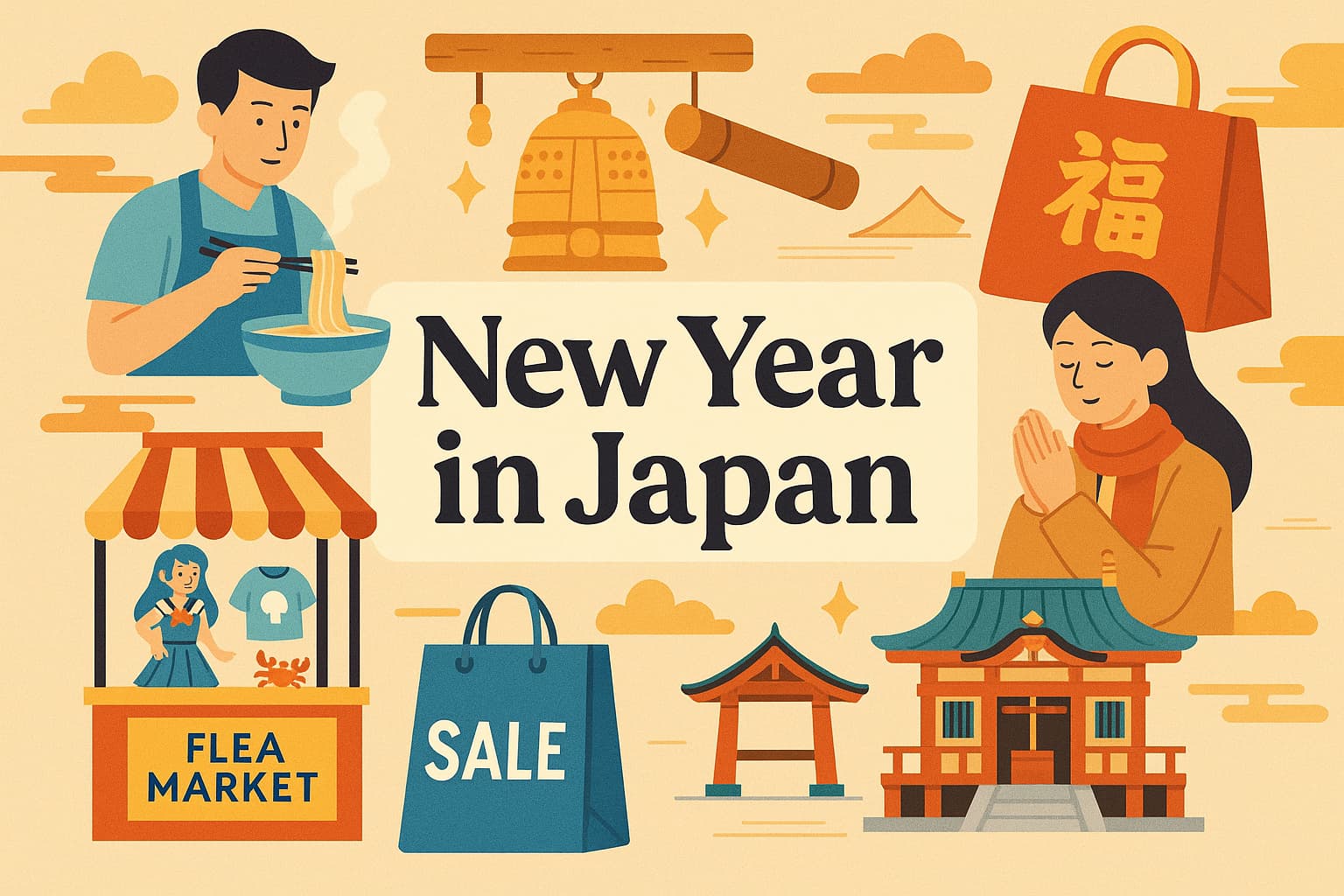
大掃除・アニメ掘り出し物・年越しそば・初詣・初日の出・初売りまで完全解説!
関連記事
- 日本でやってみてほしい食べ物体験10選+1|海外旅行者向けリアルガイド
- 【海外向け】冬の日本で“やってほしいこと”リアルガイド
- 日本のドラッグストアで絶対買うべき10選まとめ
- 【旅行者向け】ホテル周辺でできる“日本ならではの小さな体験”ガイド
🧹 1. 年末は「大掃除シーズン」
日本では12月下旬になると、多くの家庭で**1年の厄を払い、新しい年を清潔に迎えるための“大掃除”**が行われます。
この時期は片付けのために
・アニメグッズ
・フィギュア
・状態の良い古着
がフリーマーケットやリサイクルショップに大量に出回ります。
さらに年末セールも重なるため、
旅行者にとってはお得にショッピングできるベストシーズンです。
🍜 2. 日本の「イベント飯」には意味がある
日本の年末年始は、食べ物にも文化的な意味があります。
● 年越しそば(12月31日)
- 長く細い → 長寿祈願
- 切れやすい → 厄を断ち切る
旅行者でもコンビニや駅そばで気軽に食べられます。
● おせち料理(1月1〜3日)
食材それぞれに縁起があり、
日本の“New Year’s Special Bento”のような存在です。
例:
- 黒豆 → まめに働く
- 数の子 → 子孫繁栄
- 昆布巻き → “よろこぶ”
- 田作り → 豊作祈願
● お雑煮
地域で味が全く違う伝統スープ。
旅行者にとっては「食べ歩きポイント」にもなります。
🔔 3. 大晦日は「除夜の鐘」
12月31日の深夜、日本の寺院では
**108回の除夜の鐘(Joya no Kane)**が鳴ります。
108は“人間の煩悩の数”と言われ、
鐘を聞きながら心を清め、新年を迎えるという意味があります。
寺によっては旅行者でも参加可能です。
🌅 4. 初日の出を見る文化
日本では1月1日の早朝、
“新しい年の太陽”を見て願い事をする伝統があります。
人気スポット:
- 湘南・江ノ島
- 伊勢志摩
- 兵庫の海岸
- 各地の展望台(東京タワー・スカイツリー など)
寒いので防寒は必須。
🛕 5. 初詣(Hatsumode)
1月1〜3日に神社や寺へ参拝する、日本最大の文化イベント。
● やること
- 鳥居で一礼
- 手水舎で手と口を清める
- 賽銭を入れる
- 二礼二拍手一礼(寺では拍手しない)
- おみくじ・お守りを買う
● 人気スポット
- 明治神宮(東京)
- 浅草寺(東京)
- 伏見稲荷大社(京都)
- 住吉大社(大阪)
🚶♂️ 6. 日本人が並んでいたら“当たりの店”
年始の食事や初売りでは、
日本人が行列している店=品質が高い・人気がある
というサイン。
海外の人は行列文化に驚きますが、
「並んでる=本当に良い店」と判断するのが日本流です。
🛒 7. 元日でも開いているお店
日本は今でも「1月1日は休業」が多いですが、
最近は営業する店が増えてきました。
● 元旦から開いている主なお店
- イオン(AEON) → 多くは1月1日から営業
- コンビニ(24時間)
- 観光地の飲食店(場所による)
- 一部ファーストフード
- 一部ショッピングモール
● 2日から一気に開くお店
- 家電量販店(ヨドバシ・ビックなど)
- アニメショップ
- 大型商業施設(ららぽーと など)
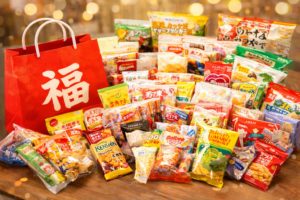
🛍 8. 初売り&福袋(Lucky Bags)
1月1〜3日は日本最大級のショッピングイベント。
**“中身ランダムの福袋”**が人気で、
アパレル・コスメ・家電・アニメショップも参戦します。
※人気の福袋は早朝から行列になるので注意。
🥤 9. 冬の日本の“ローカルフード”
- ホット自販機の缶コーヒー
- コンビニおでん
- 甘酒(初詣の屋台)
- 肉まん、ホットスナック
寒い季節の日本を象徴する味です。
🧴 10. ゴミ箱が少ないので、袋を1つ持っておくと便利
イベント会場や初日の出スポットはゴミ箱がほぼありません。
日本では“ゴミは持ち帰る”のが普通なので、
旅行者も小さな袋を持っておくと安心です。
(※既存記事との重複を避けるため、説明は最小限にしています)
関連記事
🚃 11. 年末年始でも電車が時間通り
海外では大晦日〜元日の公共交通が止まりやすいですが、
日本の電車は驚くほど正確に動きます。
→ 旅行プランが立てやすく、治安も良い。
🧊 12. 防寒はしっかり
12月末〜1月初旬は最低気温が0度近くになり、
風が強いと体感はさらに寒くなります。
手袋・ネックウォーマー・ヒートテックが必須。
✨ まとめ
日本の年末年始は、
**「静けさ・伝統・グルメ・ショッピング」**がすべて揃った特別な時期。
- 年末の大掃除 → フリマで掘り出し物
- 年越しそば
- 除夜の鐘
- 初日の出
- 初詣
- 初売り(福袋)
- 冬のコンビニ飯
- 日本の行列文化
- 元日に開いている店情報
これらを押さえれば、
海外旅行者にとって最高のガイドになります。
🇬🇧 Complete English Guide: How Japan Spends New Year’s — From Year-End Cleaning, Anime Bargains, Toshikoshi Soba, Hatsumode, First Sunrise to New Year Sales
🧹 1. Year-End Cleaning: Why Anime Goods Flood the Market in December
In late December, Japanese households do a major year-end cleaning called Ōsōji.
It’s a cultural tradition to remove last year’s bad luck and welcome the new year with a clean home.
During this time, many people declutter their rooms, which leads to a surge of second-hand items:
- Anime goods
- Figures
- High-quality used clothing
These items appear in flea markets, recycle shops, and online marketplaces.
Combined with year-end sales, December is one of the best times for travelers to find bargains in Japan.
🍜 2. Japanese “Seasonal Foods” Have Meanings
Many Japanese New Year foods are symbolic — they’re not just meals, but good-luck traditions.
● Toshikoshi Soba (Dec 31)
- Thin and long → symbolizes long life
- Easy to cut → symbolizes cutting off misfortune
You can easily try it at convenience stores or noodle stands on New Year’s Eve.
● Osechi Ryori (Jan 1–3)
A special New Year meal consisting of symbolic ingredients:
- Black beans → diligence and hard work
- Herring roe → prosperity of children
- Kombu roll → wordplay for “joy” (yorokobu)
- Candied sardines → good harvest
● Ozoni
A traditional New Year soup with rice cakes.
It varies widely depending on the region — a fun tasting experience for travelers.
🔔 3. Joya no Kane — The 108 Bells on New Year’s Eve
On the night of December 31, temples across Japan ring their large bell 108 times.
The number represents human desires, and the ringing symbolizes cleansing the spirit.
Some temples allow visitors to ring the bell, offering a unique cultural experience.
🌅 4. Watching the First Sunrise (Hatsuhinode)
On January 1, many people watch the first sunrise of the year and make a wish.
Popular viewing spots include:
- Enoshima & Shonan Coast
- Ise-Shima
- Hyogo seaside areas
- Observatories (Tokyo Tower, Skytree, etc.)
It can be extremely cold — warm clothing is essential.
🛕 5. Hatsumode — Visiting Shrines and Temples
Hatsumode is the first shrine or temple visit of the year (Jan 1–3).
It’s one of the most important cultural events in Japan.
How to Worship
- Bow once before entering the shrine gate
- Purify hands and mouth at the water basin
- Offer coins
- Two bows → two claps → one bow (for shrines)
- Temples do not use claps
- Draw an omikuji fortune slip or buy amulets
Popular Spots
- Meiji Shrine (Tokyo)
- Sensoji Temple (Tokyo)
- Fushimi Inari Shrine (Kyoto)
- Sumiyoshi Taisha (Osaka)
🚶♂️ 6. If You See a Line of Locals, It’s Usually a Good Place
In Japan, queuing means quality.
A long line often indicates a popular or trustworthy shop.
During New Year events or food stalls,
“Follow the locals” is one of the best tips for finding great food.
🛒 7. Stores That Are Open on January 1
Many shops in Japan still close on New Year’s Day.
However, the number of stores opening from January 1 is increasing.
Open on Jan 1
- AEON malls (many branches open on New Year’s Day)
- Convenience stores (24/7 as usual)
- Restaurants in tourist areas
- Some fast-food chains
- Some large shopping malls
Open from Jan 2
- Major electronics stores (Yodobashi, Bic Camera)
- Anime shops
- Most department stores
- Large complexes like Lalaport
🛍 8. New Year’s Sale & Lucky Bags (Fukubukuro)
January 1–3 is Japan’s biggest shopping event.
Stores sell mystery “lucky bags” packed with random items at a huge discount.
Kinds of lucky bags:
- Fashion
- Cosmetics
- Electronics
- Anime stores & character goods
Popular bags can create early-morning lines, so plan ahead.
🥤 9. Winter Comfort Foods in Japan
Winter in Japan has its own “local favorites”:
- Hot canned coffee from vending machines
- Convenience store oden
- Sweet amazake at shrine stalls
- Nikuman (steamed buns) and hot snacks
These are perfect for warming up during New Year events.
🧴 10. Bring a Small Bag — Trash Cans Are Rare
New Year’s event spots (sunrise areas, shrines, festivals) usually have very few trash bins.
It’s common in Japan to take your trash home,
so travelers should carry a small plastic bag to keep things tidy.
(This is a light reminder since you already explain this in other articles.)
🚃 11. Trains Run on Time Even on New Year’s
Japan’s public transport remains extremely reliable during the holidays.
Even on January 1, trains usually run on schedule — a big surprise for many foreign visitors.
🧊 12. Prepare for the Cold
Late December to early January can drop close to freezing.
Wind chills make it feel even colder.
Bring:
- Gloves
- Neck warmer
- Heat-tech layers
- Hand warmers
🎍 Summary
Japan’s New Year season is a mix of:
tradition, quiet streets, special foods, spiritual events, and huge shopping deals.
Travelers can enjoy:
- Bargains from year-end cleaning
- Toshikoshi soba
- Joya no Kane
- First Sunrise
- Hatsumode
- New Year Sales & Lucky Bags
- Hot winter snacks
- Safe and peaceful streets
- Convenient stores open from Jan 1
This guide covers everything visitors need to fully experience Japan’s unique New Year culture.





コメント
コメント一覧 (1件)
[…] Complete English Guide: How Japan Spends New Year’s — From Year-End Cleaning, Anime Bargains, Toshikoshi Soba, Hatsumode, First Sunrise to New Year Sales […]