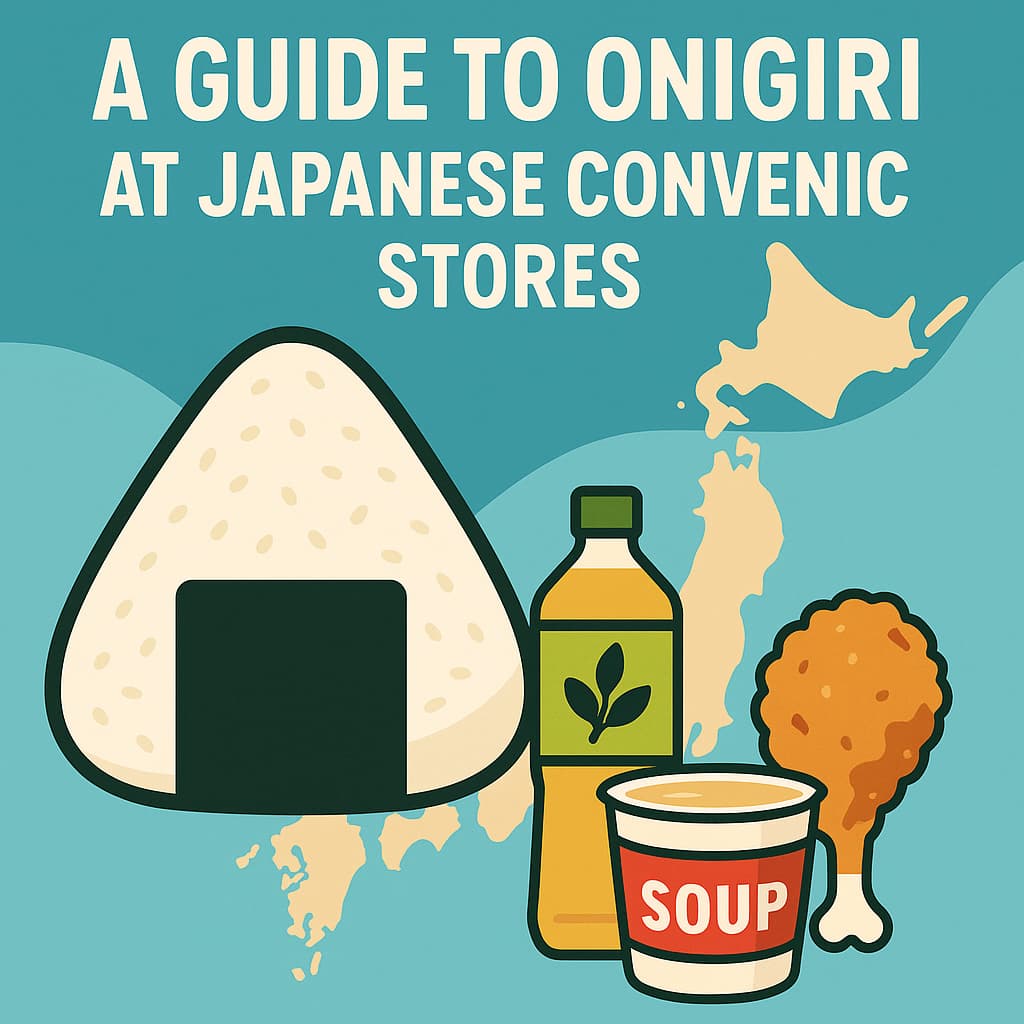
日本を訪れる旅行者にとって、コンビニのおにぎりは“最初の日本食体験”になることが多い食べ物です。
シンプルに見えて実は奥が深く、買い方や文化を知っておくと、より楽しく味わえます。
ここでは、訪日客がコンビニでおにぎりを買うときに知っておきたいポイントをわかりやすくまとめました。
▶関連記事
- 【海外旅行者向け】日本で知っておくと安心なミニマナーガイド(8+1選)
- 【旅行者向け】日本の外食文化ガイド|定食・食べ放題・コンビニ飯まで“失敗しない食事”の選び方
- 海外旅行者にやってほしいこと:日本の“うどん”編
- 【訪日客向け】日本は“出来立ての国”だった!
- 【訪日客向け】|日本の米文化ガイド|おにぎりからライスバーガーまで
🍙 1. コンビニおにぎりの基本と“海苔の地域差”
日本のコンビニで使われる海苔は、ほとんどが 「焼き海苔」。
パリッと香りがよく、コンビニおにぎりの標準スタイルです。
一方で、関西や九州の家庭では 「味付け海苔」 を使う文化があり、甘じょっぱい海苔で巻いた“家庭のおにぎり”が定番。
この存在は訪日客はもちろん、日本人でも他地域の人は意外と知らなかったりします。
「コンビニでは焼き海苔、家庭では味付け海苔」
という日本ならではの地域差は、ちょっと面白い豆知識です。
🥤 2. おにぎりと一緒に買われる人気の飲み物
海外旅行者がよく選ぶのは、このあたり。
- 緑茶・ほうじ茶
日本らしい味として一番人気。ほうじ茶は欧米の人がハマりやすい香ばしさ。 - 水(ミネラルウォーター)
クセがなく飲みやすいので、実は旅行者の購入率が高い。 - コーヒー
「おにぎり+コーヒー」は海外では普通の朝食スタイル。 - 味噌汁(ペットボトルタイプ)
“飲む味噌汁”に驚く旅行者多数。冬場の人気ドリンク。 - コーンスープ
ホット棚の定番。飲み歩き用として好評。
🍜 3. 日本では“おにぎり+麺類”の組み合わせも定番
日本のコンビニでは、炭水化物×炭水化物が普通の組み合わせです。
- うどん
- そば
- ラーメン(カップ麺・チルド麺)
- パスタ
- チャーハン
「おにぎりに麺をプラスする」
というローカルな食文化は訪日客にとって新鮮で、意外と満足度が高いポイント。
🧃 4. コンビニ別“ついで買い”で楽しみが広がる
おにぎりだけで帰るのはもったいないかも?
コンビニごとに“得意ジャンル”があります。
● セブン‐イレブン
- スムージー
- 野菜ジュース
- カップスープ
● ファミリーマート
- FAMIMA CAFE(淹れたてコーヒー)
- チルド麺・パスタ
● ローソン
- Uchi Café スイーツ(ロールケーキ・バスチーなど)
🍗 5. レジ前のホットスナックは“ついで買いの宝庫”
旅行者の満足度をさらに上げるのが、レジ前のホットスナック。
- セブン:揚げ鶏、ななチキ
- ファミマ:ファミチキ(世界的ファン多数)
- ローソン:からあげクン(国民的スナック)
注文はかんたん。
👉 指差しながら “This one, please.”(ディス ワン プリーズ)
これだけで確実に通じます。
🧻 6. 会計時に聞かれる3つのフレーズ
コンビニではほぼ必ず次の3つを聞かれます。
- 「袋は必要ですか?」(レジ袋は有料)
- 「おしぼり入れますか?」(おにぎりは手で食べるため便利)
- 「お箸いりますか?」(麺類やスープを買った時に必要)
順番は店員さんによって違いますが、 Yes / No だけでOK。
🔥 7. おにぎりは“温めない”のが日本流
コンビニでは食品を温められますが、
おにぎりは海苔がしんなりするため温めないことが多い です。
店員に「温めますか?」と聞かれたら、NoでOK。
🗑️ 8. ゴミはどこに捨てる?
日本は街中にゴミ箱が少ない国です。
買い物したコンビニに設置されたゴミ箱に捨てるのが基本。
- 可燃ゴミ
- ペットボトル
- 缶
この3つは必ず分別しましょう。
🪑 9. イートインスペースについて
一部のコンビニには、店内で食べられるイートインがあります。
利用する場合は会計時に 「Eat in(店内)」 と伝えればOK。
※ 店内飲食は税率10%になります。
🍙 10. ちょっとしたローカル文化:変わり種おにぎり
コンビニおにぎりとは別に、地域によって楽しいおにぎり文化があります。
- 爆弾おにぎり(巨大サイズ)
- 沖縄のポークたまごおにぎり
- ご当地具材(高菜明太・鮭ハラスなど)
旅行中に見つけたら、ぜひ挑戦したい“日本ならではの味”。
🏪 +α:地方コンビニには“珍しいフード”もあります
日本には、全国チェーンの他にも地域限定コンビニがあります。
たとえばミニストップの ソフトクリーム・パフェ、北海道のセイコーマートの ホットシェフ(店内調理) など、旅行者にとっては“宝探し感覚で楽しめるフード文化”があります。
- ミニストップ:ソフトクリーム、パフェ、ハロハロ
- セイコーマート(北海道):店内調理のカツ丼・弁当・パスタ
- デイリーヤマザキ:店内ベーカリーの焼きたてパン
- ポプラ(中国地方など):ご飯をよそってくれる“おかず+ご飯スタイル”
「コンビニ=どこも同じ」と思われがちですが、地方には思わぬ“ご当地フード”が隠れています。
✨ まとめ
コンビニおにぎりは、日本の食文化を気軽に体験できる最高のアイテムです。
海苔の違い、飲み物の選び方、ついで買い、ホットスナック、会計時の受け答えまで知っておくと、初めてのコンビニでも安心。
小さな買い物でも、日本文化をぎゅっと味わえる。
それが“コンビニおにぎり”の楽しさです。
海外の方向けに英語紹介もご用意しました👇
Here is the English introduction for international readers:
🇬🇧 【For Travelers】The Complete Guide to Buying Onigiri at Japanese Convenience Stores
For many travelers, a convenience store onigiri is the very first “Japanese meal” they try.
It looks simple, but there’s a surprising amount of culture behind it — from the type of seaweed to how you order, what to drink, and even what else to buy together.
This guide explains everything you need to know to enjoy onigiri like a local.
▶ Related Article
- Mini Etiquette Guide for Visitors in Japan
- 🇬🇧 Dining in Japan: A Complete Guide for Travelers
- Ultimate Udon Guide for Travelers in Japan
- 🇯🇵Japan’s “Freshly-Made Culture”: Why Japanese Food Tastes Best at the Moment It’s Made
- Japanese Rice Culture Guide
🍙 1. Onigiri Basics & A Fun Regional Difference
Most convenience stores use plain roasted seaweed (nori) — crispy, aromatic, and easy to eat.
However, Japan also has a regional twist:
In western areas like Kansai and Kyushu, families often use seasoned seaweed (ajitsuke nori) at home.
It’s sweet, salty, and incredibly flavorful — but you won’t usually find it at convenience stores.
“Convenience stores use crispy roasted nori.
Home-style onigiri in western Japan often use sweet seasoned nori.”
A small cultural detail that surprises many travelers.
🥤 2. What to Drink with Onigiri
Travelers often pair onigiri with one of these:
- Green tea / Hojicha
The classic Japanese choice. Hojicha’s nutty flavor is especially popular with Western visitors. - Bottled water
A safe, simple option — surprisingly the No.1 choice among many travelers. - Coffee
“Onigiri + coffee” is a totally normal breakfast for many visitors. - Bottled miso soup
Yes, Japan sells drinkable miso soup. A fun surprise for first-timers. - Corn soup
A beloved winter drink found in hot shelves and vending machines.
🍜 3. Carbs + Carbs: A Real Japanese Combo
In Japan, it’s perfectly normal to eat onigiri + noodles for a quick meal.
Convenience stores offer:
- Udon
- Soba
- Ramen (cup noodles or chilled packs)
- Pasta
- Fried rice
“Carbs on carbs” may sound wild, but it’s a very Japanese (and very satisfying) combination.
🧃 4. “Don’t Forget This!” Recommended Add-ons by Store
Each major convenience store chain has its own specialty items worth trying.
● 7-Eleven
- Smoothies
- Vegetable drinks
- Cup soups
● FamilyMart
- FAMIMA CAFE (freshly brewed coffee)
- Chilled noodles & pasta
● Lawson
- Uchi Café desserts
(Roll cake, Basque cheesecake, limited sweets)
🍗 5. Hot Snacks: The Secret Treasure by the Register
Right next to the cashier is the hot snack zone, a dangerous place for impulse buys.
- 7-Eleven: Fried chicken (“Nanachiki”), croquettes
- FamilyMart: Famichiki (legendary among travelers)
- Lawson: Karaage-kun (a national icon)
Ordering is easy:
👉 Point at what you want and say
“This one, please.”
That’s it. It works every time.
🧻 6. Three Questions You’ll Be Asked at Checkout
Almost every convenience store will ask:
- “Do you need a bag?”
Plastic bags cost extra in Japan. - “Would you like a wet wipe?”
Onigiri is eaten by hand, so this is very helpful. - “Do you need chopsticks?”
Needed if you buy noodles, salads, or soup.
Just answer Yes / No — no need to worry about the order.
🔥 7. Do You Heat Onigiri?
Short answer: No.
Although stores can heat food for you, Japanese people do not heat onigiri, because the seaweed becomes soft and loses its texture.
🗑️ 8. Where to Throw Away Trash
Japan has very few public trash cans.
You can throw away your trash at the convenience store where you bought it — just make sure to follow the labels:
- Burnable trash
- PET bottles
- Cans
🪑 9. Eat-in Spaces
Some convenience stores offer small dine-in areas.
Tell the cashier “Eat in” if you plan to eat inside.
Note: Eating inside uses the 10% tax rate instead of 8%.
🍙 10. Bonus: Japan Has Unique Onigiri Variations
Beyond convenience stores, Japan has fun onigiri styles worth exploring:
- BOMB-size onigiri (giant rice balls)
- Okinawan Spam & Egg onigiri
- Local flavor onigiri (like spicy cod roe, grilled salmon belly, etc.)
These are great to look for while traveling.
🏪 Bonus: Regional Convenience Stores Are a Food Treasure Hunt
Japan isn’t only about the big three convenience stores.
If you travel outside major cities, you’ll find regional chains with unique foods that you won’t see anywhere else.
These are perfect for travelers who love discovering “hidden gems.”
Here are some fun examples:
● MINISTOP
Famous for soft-serve ice cream, parfaits, and seasonal sweets.
If you see one, don’t miss their signature soft-serve — many travelers call it “the best convenience-store dessert in Japan.”
● Seicomart (Hokkaido)
A legend in Hokkaido. Their Hot Chef section cooks meals inside the store.
You can get fresh fried chicken, katsudon, pasta, and bentos made on the spot.
● Daily Yamazaki
Known for its in-store bakery. You can smell the freshly baked bread the moment you walk in.
● Poplar / Poplar Group (Western Japan)
Offers a unique “rice-added-at-the-register” style.
You choose your bento, and staff scoop hot rice for you — a small but memorable local experience.
Exploring regional convenience stores is like a food treasure hunt.
You never know what special items you’ll find — and that’s part of the fun of traveling in Japan.
If your trip takes you beyond Tokyo or Osaka, keep an eye out.
You might discover a “local-only” onigiri, a unique hot meal, or a dessert you can’t find anywhere else.
✨ Conclusion
Convenience store onigiri is one of the easiest — and most enjoyable — ways to experience Japanese food culture.
By knowing:
- the seaweed types
- drink pairings
- side dishes
- hot snacks
- checkout questions
- trash rules
you can enjoy your first onigiri with total confidence.
A small purchase, but a big taste of Japanese daily life —
that’s the magic of convenience store onigiri.






コメント